
What Is Psilocybin and How Does It Work in the Brain?
Psilocybin—commonly associated with “magic mushrooms”—has been used for centuries in rituals, healing practices, and spiritual ceremonies. Today, thanks to growing scientific interest, psilocybin is being studied for its potential mental-health and wellness benefits. But what exactly is psilocybin, and how does it affect the human brain?
In this guide, we break down how psilocybin works, how the brain responds, and what current research says about its potential benefits and risks.
What Is Psilocybin?
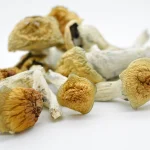
Psilocybin is a naturally occurring psychedelic compound found in several species of mushrooms. These mushrooms are often referred to as:
Magic mushrooms
Psychedelic mushrooms
Psilocybe mushrooms
When consumed—whether as dried mushrooms, capsules, teas, or psilocybin-infused chocolates—the body quickly converts psilocybin into psilocin, the active form responsible for altering perception, mood, and cognition.
This transformation triggers changes within key areas of the brain that regulate emotional responses, sensory processing, and thought patterns.
How Psilocybin Interacts With the Brain
Psilocybin primarily affects three major brain regions:
1. Prefrontal Cortex
Responsible for decision-making, reasoning, and emotional processing.
Psilocybin can temporarily shift how this area interprets thoughts and emotions, often creating feelings of clarity, openness, or introspection.
2. Amygdala
A core region involved in fear and stress responses.
Research suggests psilocybin may reduce amygdala activity, which could be linked to decreased anxiety and emotional rigidity.
3. Thalamus
Acts as a “sensory gateway.”
Psilocybin may alter how sensory information flows through the thalamus, contributing to enhanced colors, sounds, and visual distortions commonly reported during a psychedelic experience.
The Role of Serotonin Receptors
Psilocin binds strongly to 5-HT2A serotonin receptors, which regulate mood, perception, and imagination.
This interaction is believed to be responsible for:
Altered sensory perception
Mood shifts
Heightened creativity
Deep emotional insights
Changes in the sense of time and self
Because serotonin plays such a wide role in mental health, many researchers think psilocybin may help “reset” certain dysfunctional patterns in the brain.
Psilocybin and Neuroplasticity
Early studies suggest psilocybin may increase neuroplasticity—the brain’s ability to form new connections.
This may support:
Improved mood
Enhanced emotional processing
Greater cognitive flexibility
Long-term positive outlook
Some brain-imaging studies show that psilocybin temporarily weakens rigid neural pathways while strengthening new ones, offering potential benefits for people stuck in negative thought loops.
Potential Benefits of Psilocybin
Although research is still ongoing, early clinical findings show promise in several areas:
1. Depression
Some studies have shown rapid, long-lasting reductions in depressive symptoms after guided psilocybin sessions.
2. Anxiety
Psilocybin may help lower anxiety, especially in cases involving chronic stress or end-of-life distress.
3. PTSD
By supporting emotional processing and reducing fear responses, psilocybin may help individuals work through trauma more effectively.
4. Addiction
Psilocybin-assisted therapy has shown early success in reducing cravings and breaking destructive habit cycles.
5. Emotional and Spiritual Insight
Many participants report breakthroughs, personal clarity, and a renewed sense of purpose.
Risks and Safety Considerations
Like any psychoactive compound, psilocybin carries potential risks, especially when used without guidance.
Possible concerns include:
Psychological distress or confusion
Intense or overwhelming perceptual changes
Panic or anxiety during the experience
Flashbacks
Negative interactions with certain medications
Unsuitable for individuals with certain mental-health conditions
Psilocybin also remains illegal in many regions, which is important to consider.
Conclusion
Psilocybin is a powerful naturally occurring compound with deep historical roots and growing scientific interest. While early research shows promise—particularly for conditions like depression, anxiety, and PTSD—its effects on the brain are complex and not yet fully understood.
As studies continue, psilocybin may play a significant role in the future of mental-health care and psychedelic therapy. For now, understanding how it works in the brain helps create a clearer picture of its potential benefits and risks.
What Is Psilocybin and How Does It Work?
Psilocybin is a naturally occurring psychedelic compound found in certain types of magic mushrooms. Used for centuries in cultural and spiritual ceremonies, psilocybin is now gaining modern attention for its potential mental health and therapeutic benefits. When consumed, psilocybin can create visual and sensory changes, deepen introspection, and shift your perception of time and reality.
What Are Magic Mushrooms?
Magic mushrooms (psilocybin mushrooms) are fungi that contain psilocybin, the compound responsible for their psychedelic effects. They can be taken in many forms — dried mushrooms, capsules, infused foods, teas, and increasingly popular mushroom chocolate bars. These mushrooms are known for producing altered states of consciousness, enhanced creativity, spiritual insights, and emotional release.
How Do People Consume Psilocybin?
Psilocybin can be taken in several easy-to-use methods:
Eating dried or fresh mushrooms
Drinking mushroom tea
Mixing powdered mushrooms into food
Taking capsules
Enjoying mushroom-infused chocolates
Each method affects how quickly the experience begins and how long it lasts.
How Does Psilocybin Affect the Brain?
Once ingested, psilocybin converts into psilocin, which binds to serotonin receptors—especially the 5-HT2A receptors. This interaction changes activity in the brain’s prefrontal cortex, default mode network, and amygdala, leading to:
Altered perception
Emotional release
Increased creativity
Heightened introspection
Spiritual or mystical experiences
Researchers believe psilocybin may temporarily “reset” brain networks and support neuroplasticity, helping the brain form new pathways.
Potential Benefits of Psilocybin
Early scientific studies show psilocybin may help with:
Depression
Anxiety
PTSD
Addiction and substance dependence
End-of-life emotional distress
Many users also report improved mood, clarity, and a stronger sense of connection in the days or weeks following a session.
Risks and Side Effects
While psilocybin offers potential benefits, it also carries possible risks:
Anxiety or paranoia during difficult experiences
Nausea or dizziness
Increased heart rate
Confusion or disorientation in unsafe settings
Rare but possible flashbacks
Unsafe when mixed with certain medications
Because of these risks, experts recommend psilocybin be used responsibly and ideally with guidance or in a controlled environment.