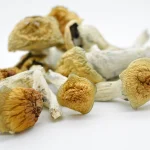

Psilocybin and Depression: What Current Research Reveals
Is psilocybin showing real therapeutic potential for people struggling with depression? Growing scientific research suggests that psilocybin—the naturally occurring compound found in some mushroom species—may influence mood, emotional processing, and cognitive flexibility in meaningful ways. Psilocybin has long been associated with spiritual, cultural, and ceremonial use, but modern studies are now exploring its possible role in mental-health treatment through controlled, supervised therapeutic settings.
Where Psilocybin Comes From
Psilocybin-containing mushrooms grow naturally in several regions of the world, including parts of North America, South America, and Europe. For thousands of years, they have been used in traditional practices for introspection, healing, and ritual. Today, this interest has expanded into wellness spaces and led to the development of new products designed to make the experience more accessible, such as psilocybin-infused chocolates used in licensed therapeutic environments.
What Scientists Are Discovering About Psilocybin for Depression
Growing research from respected institutions is shedding light on psilocybin’s potential effects on mood disorders:
Clinical Findings
Johns Hopkins Medicine has reported that psilocybin-assisted therapy can significantly reduce symptoms of major depressive disorder when paired with guided psychological support. In some cases, participants experienced benefits lasting many months after treatment.
Studies from UCSF and Imperial College London suggest that psilocybin may increase connectivity between different networks of the brain. This shift may help interrupt rigid thought patterns commonly associated with depression, anxiety, and rumination.
These findings contribute to a growing interest in exploring psilocybin as a possible therapeutic tool within controlled, clinical, and legally approved settings.
How Psilocybin Interacts With the Brain
Psilocybin works primarily by interacting with serotonin receptors, particularly in the prefrontal cortex—the region associated with mood, decision-making, and emotional regulation. This interaction can temporarily alter perception and the way the brain processes information.
Effects vary from person to person and depend on multiple factors, including mindset, environment, and the type of therapeutic guidance provided.
Duration and Metabolism
Psilocybin is typically absorbed within the first hour after consumption, with peak psychological effects occurring between two to six hours under controlled use. Some individuals may experience lingering emotional insights or changes in perspective for days afterward, especially when therapy is involved.
Like many natural compounds, psilocybin is gradually processed by the liver and cleared from the body within a short period, although personal metabolic rates can influence the timeline.
Potential Therapeutic Applications Being Studied
Scientists are actively exploring whether psilocybin-assisted therapy may offer support for several mental-health conditions, including:
Treatment-resistant depression
General anxiety and end-of-life anxiety
Major depressive disorder
Chronic emotional distress
PTSD and trauma-related symptoms
Addictive behaviors
While research is ongoing, early results show promising potential for future medical applications.
Legal Access to Psilocybin Therapy
Laws vary widely around the world. While psilocybin remains restricted or illegal in many regions, a small number of locations have begun allowing supervised therapeutic use. For example, certain U.S. states, such as Oregon, have created regulated programs where adults can access psilocybin services through licensed facilitators and certified centers.
Always refer to local laws and approved clinical programs for accurate and up-to-date information.
Frequently Asked Questions About Psilocybin
1. Do all mushrooms contain psilocybin?
No. Only specific species contain psilocybin, and many wild mushrooms can be toxic. Identifying mushrooms should be left to experts to avoid dangerous mistakes.
2. How is psilocybin consumed in therapeutic settings?
In supervised environments, psilocybin is typically administered as capsules, extracts, or infused products designed for controlled dosing.
3. How common is psilocybin use?
Surveys in some countries suggest that a significant percentage of adults have tried psilocybin at some point, often for spiritual, personal, or therapeutic reasons.
4. What are common names for psilocybin mushrooms?
They are often referred to as “magic mushrooms,” “shrooms,” or “mushies.”
5. Can psilocybin be misused?
Like many psychoactive substances, unsupervised use can lead to risks. This is why medical settings emphasize safety, screening, and professional guidance.
6. Is psilocybin legal?
In many countries, psilocybin is regulated. However, certain areas have begun exploring legal therapeutic frameworks or decriminalization policies for medical research.